
The 5-Step Brand Strategy Process Behind Brands People Remember
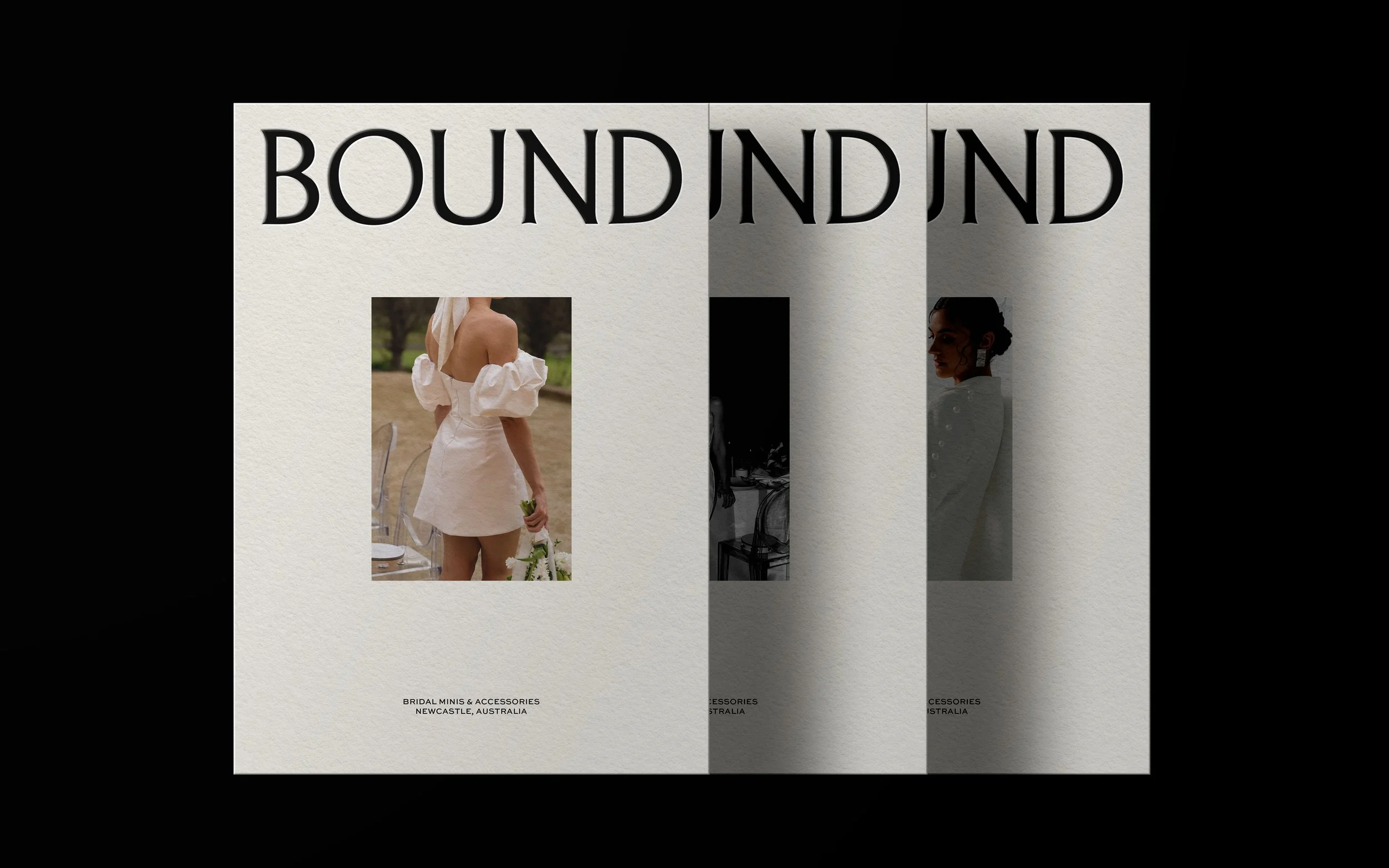
Brands that feel authentic, memorable and deeply aligned with the business behind them don't happen by accident. They're the result of thoughtful preparation, clear direction and a process that uncovers the right answers before design begins.
Over the years, I've developed a five-step framework that I use with every branding project at Play Make Studio. I call it the Distinctive Blueprint.
It's designed to help founders gain clarity, uncover what makes their business unique and build a strong strategic foundation before we step into the creative phase.
The result is a brand that feels like you, connects with your audience and gives every design decision a clear sense of purpose.
Here's how it works.
Step 1: Get Clear on the Vision
Every memorable brand starts with clarity.
Before we discuss visuals, we need to understand the bigger picture.
What is the purpose of the business beyond profit?
Why does it exist?
Who is it here to help?
How does it make people's lives better?
These questions form the foundation of every branding decision that follows.
Many founders can tell you what they do, but the brands that truly connect can also articulate why they do it.
When we uncover that deeper purpose, we create a strong foundation that keeps the business aligned as it grows.
Without clarity, branding becomes guesswork. With clarity, every decision becomes easier.
Step 2: Build the Connection
Once we've established the vision, the next step is turning it into something people can actually connect with.
This is where brand archetypes come in.
Brand archetypes help us understand the emotional role a business plays in people's lives. They provide a framework for understanding human desires, motivations and behaviours.
Think about some of the world's most recognisable brands.
Nike inspires people to push beyond their limits.
Apple encourages creativity and innovation.
Airbnb creates a sense of belonging.
These brands don't just sell products. They create emotional connections.
Using archetypes allows us to identify the emotional space your business occupies and helps ensure your brand resonates with the people you're trying to reach.
Step 3: Create a Mood Board With Purpose
Pinterest is often associated with collecting pretty images.
But in this process, mood boarding is much more strategic than that.
Once we've established the vision and emotional positioning of the brand, we begin gathering visual references that bring those ideas to life.
We’re not copying another brands here. We’re identifying patterns, moods, aesthetics and creative directions that support the story we're building.
The goal is to discover what feels right.
By combining strategic thinking with visual exploration, we begin creating a creative direction that feels authentic, distinctive and aligned with the brand's purpose.
Step 4: Write Your Story
Storytelling is one of the most powerful tools available to any founder. Your story (yes, every brand has one) helps people understand not just what you do, but why it matters.
At this stage, we begin unpacking:
The origin of the business
The problem your audience faces
Your perspective on that problem
How your business helps solve it
The transformation customers experience
The larger vision you're working towards
This process helps uncover the narrative that sits at the heart of the brand.
It's often where founders find the language they've been searching for all along.
Step 5: Review the Landscape
Before moving into design, it's important to understand the market you're entering.
What are competitors doing?
What visual trends dominate the industry?
What feels overdone?
What opportunities exist?
The goal is to identify where your differentiation lives. We’re not in the business of blending in!
Sometimes that means embracing familiar visual cues so customers recognise your category.
Other times it means challenging industry conventions entirely.
By reviewing the landscape first, we can make more informed creative decisions and ensure the final brand feels distinctive rather than generic.
Why This Process Happens Before Design
When we've clarified the vision, uncovered the emotional connection, established a creative direction, refined the story and explored the competitive landscape, the design process becomes significantly stronger.
Instead of creating something that simply looks good, we're creating something that means something.
And people remember brands that mean something.
The Result? Brands That Feel Like You
The ultimate goal of branding shouldn’t be to look like everyone else.
It should be to create a business identity that feels authentic to who you are and meaningful to the people you serve.
That's exactly what this process is designed to achieve.
When the strategic foundations are in place, design becomes more intentional, more distinctive and far more effective.
Frequently Asked Questions
What is a brand strategy process?
A brand strategy process helps define a business's purpose, audience, positioning, personality and competitive advantage before visual design begins. It creates the foundation for effective branding decisions.
Why is brand strategy important before design?
Strategy provides clarity and direction. Without it, branding decisions can become subjective and inconsistent. A strategic foundation ensures every design choice supports a clear business objective.
What are brand archetypes?
Brand archetypes are personality frameworks that help businesses connect with customers on an emotional level. They are often used to shape brand messaging, tone of voice and visual identity.
How long does a branding process take?
Every project is different, but a successful branding process typically involves discovery, strategy, storytelling, creative direction and design development. Investing time in strategy often leads to stronger long-term results.
